
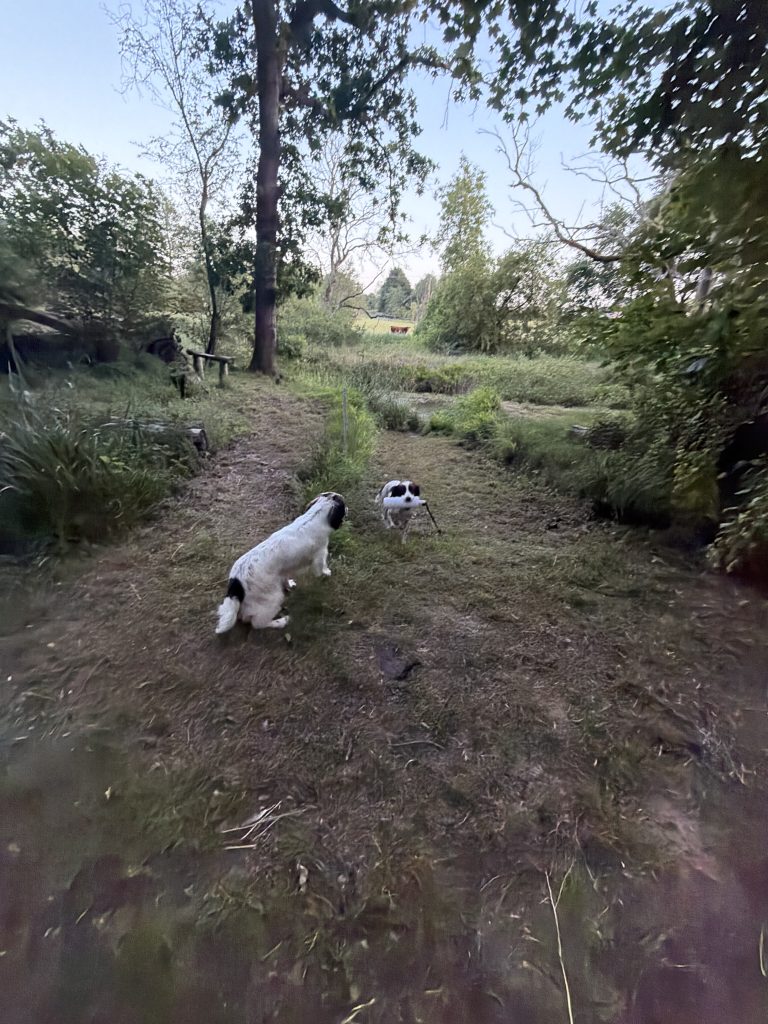
As the temperatures rise, so do the warnings online about exercising dogs in warm weather. While awareness is important, the conversation often becomes black and white — either don’t exercise your dog at all, or risk heatstroke. The reality is far more nuanced than that.
For working dogs especially, avoiding all activity for weeks on end simply isn’t realistic. September and even October can still bring warm days, and in recent years we’ve experienced several long, hot summers. This is no longer unusual weather that lasts for a day or two. If warm conditions continue for weeks, we have to learn how to manage our dogs sensibly and responsibly rather than stopping all activity altogether.
The key word is management.
A dog doing controlled heelwork in a cool shaded area is often under far less physical strain than a dog charging around the garden in full sun. Just because a dog is at home does not automatically make it safe from overheating. In fact, many dogs overheat simply because they are left to self-exercise without supervision in warm conditions.
Hot weather training should focus on adapting, not abandoning.
This time of year is ideal for slowing things down and working on the skills that are often rushed during cooler months. Rather than endless retrieving or high-energy free running, focus on:
- Loose lead heelwork
- Obedience exercises
- Placeboard training
- Steadiness work
- Calmness and patience
- Scentwork in shaded areas
- Settling quietly and doing “nothing”
There is huge value in teaching dogs to switch off and remain mentally engaged without constant physical exertion.
Water work can also be extremely useful when done sensibly and safely. Short sessions with plenty of breaks allow dogs to cool down effectively while still enjoying training and enrichment. Between sessions, think carefully about recovery and cooling strategies:
- Cool mats
- Cooling coats
- Fresh drinking water at all times
- Shade and airflow
- Fans or vehicle ventilation systems
- Heat extractors in vehicles
Our own dogs have fans and heat extraction in the truck, and travelling arrangements should always be considered carefully. The journey itself can sometimes pose more risk than the training session.
It is also vital to look at the individual dog in front of you. Age, health, fitness, coat type and general condition all matter. A young fit working dog accustomed to exercise will cope very differently to an overweight, elderly or unfit dog. Acclimatisation matters too. Dogs, like humans, adapt gradually to warmer temperatures when managed correctly.
Dogs can overheat in surprisingly cool weather. Heatstroke is not simply about air temperature. It is influenced by:
- Intensity of exercise
- Duration of activity
- Humidity
- Lack of fitness
- Poor recovery periods
- Inadequate hydration
- Stress and over-arousal
A frantic dog working itself into exhaustion on a mild day may be at greater risk than a calm dog doing structured obedience in the shade during warmer weather.
Warm weather should encourage us to become more thoughtful trainers, not fearful ones. Slow down. Adjust expectations. Train smarter. Use the opportunity to improve control, steadiness and engagement rather than relying on constant physical output.
Most importantly, become informed and aware. Learn to recognise the early signs of overheating, understand your own dog’s limits, and make sensible management decisions rather than reacting to headlines.
Responsible dog ownership is not about doing nothing. It is about knowing how to do things safely.
Continue Your Training with Seadogs Academy
Get unlimited access to our complete library of online dog and gundog training courses, exclusive member content, downloadable resources and expert support—all for one monthly membership.
Not ready for membership?
You can also purchase any of our online courses individually.