
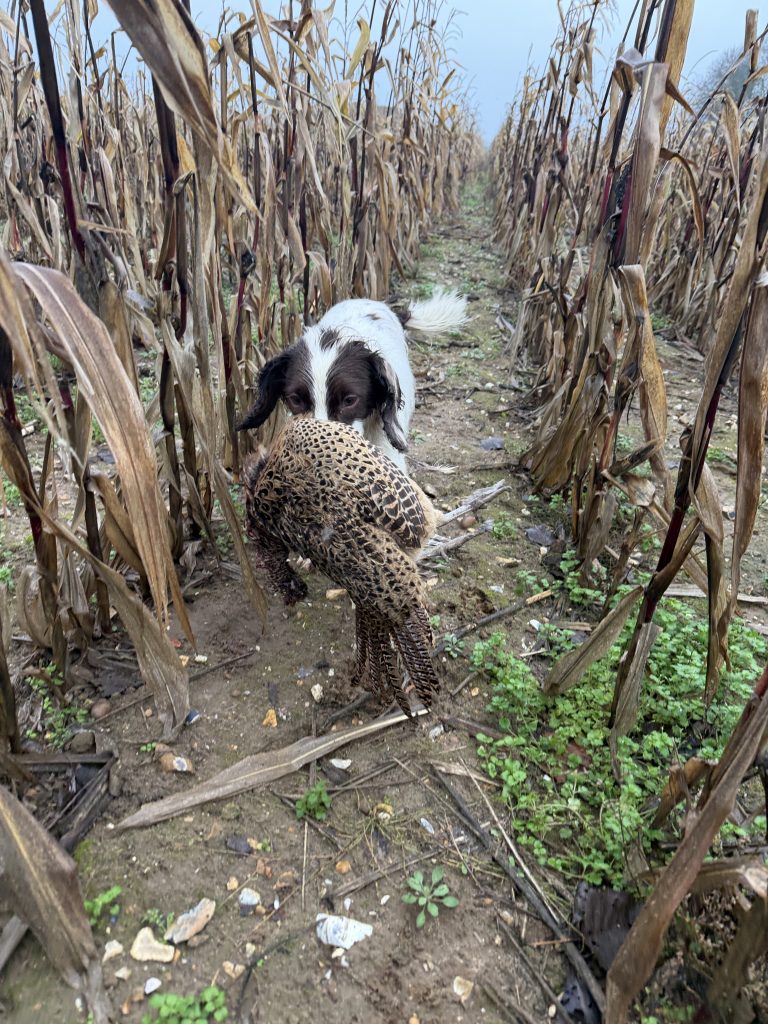
Gundogs are among the hardest-working dogs in the country. From warm late-summer training days in August through the long, demanding months of autumn and winter, they are expected to perform consistently in tough conditions. Long hours, rough ground, heavy cover, water retrieves and unpredictable weather all take their toll. Understanding how fatigue affects a gundog’s performance is essential for anyone who wants to maintain their dog’s health, focus and working ability throughout the shooting season.
Why Fitness Matters More Than Ever
The fitness of our working gundogs has never been more important. They may be out multiple times a week, covering miles of challenging terrain. While it’s tempting to think that the fitter the dog, the better, that isn’t always the case. Dogs kept at an extremely high level of fitness can actually be more prone to sports-type injuries—muscular strains, ligament tweaks or overuse issues—simply because they are working at the top of their physical limits.
What we’re truly aiming for is a gundog that enters the season in excellent shape, without being pushed into the realms of over-conditioning. Our own dogs receive physiotherapy and hydrotherapy during the spring and summer months alongside their usual routine and structured gundog training programmes. This balanced preparation helps to build strength, maintain mobility and support recovery before the workload increases again.
Supporting Your Gundog During the Season
Beating and picking-up place very different demands on a dog’s body, yet both require stamina, agility and mental sharpness. Even the best-conditioned dogs can sometimes struggle during the busiest parts of the season.
A high-quality working dog food provides essential nutrients for sustained energy, muscle repair and overall health. However, back-to-back shoot days, long drives, or particularly harsh weather can mean your dog needs a little extra support. Some handlers choose to offer energy bars, electrolytes, honey or slightly larger meals throughout the season to help maintain condition and avoid unnecessary weight loss. Small but strategic boosts can make a noticeable difference in a dog’s performance and wellbeing.
Training Foundations and Field Experience
Strong foundations—reliable recall, a dependable stop whistle (even at distance), and steadiness—are crucial. But even when all the training is firmly in place, dogs still need plenty of real working experience. Fieldcraft, exposure to busy shoot days, and handling varied terrain can’t be fully replicated in training sessions alone.
And this is where fatigue can start to blur the lines between a dog’s ability and their behaviour.
Fatigue: The Hidden Factor Behind Behaviour Changes
Many handlers have experienced this: a dog that usually performs beautifully starts to show small cracks in their behaviour partway through a shoot day. They might become slower to respond, struggle to hold a line, begin hunting too widely, or appear less attentive to the whistle. It’s easy to assume they’re being disobedient or wilful.
But have you ever considered how fatigue might be influencing their behaviour?
Just like humans, dogs find it harder to concentrate when they are tired. Their decision-making is affected. Their reactions become slower. Their tolerance for pressure or confusion drops. A tired gundog may simply lack the mental bandwidth to maintain precision, even though they know exactly what is expected.
Signs of Fatigue in Working Gundogs May Include:
- Slower responses to cues
- Reduced hunting drive or enthusiasm
- Difficulty maintaining steadiness
- Poorer memory on retrieves
- Increased vocalisation or frustration behaviours
- Hesitation on obstacles or water entry
- Struggling to hold focus on the handler
Recognising these signs early helps prevent mistakes, accidents and unnecessary stress—for both dog and handler.Managing Fatigue on Shoot Days
Fatigue is normal, especially during long or demanding days, but how you manage it makes a significant difference to your gundog’s performance and wellbeing.
One of the simplest and most effective ways to support your dog is to build structured rest into the day. Not every dog naturally chooses to switch off when the excitement is high, so it’s up to the handler to create those pauses. Allowing your dog to stay quiet in the truck between drives, using a comfortable crate or dog box, or settling them with a breathable coat in cold, wet conditions can help their body and mind recover. Even short breaks can be enough to restore focus and reset your dog’s energy levels.
Water intake is also crucial. Dehydration will rapidly affect stamina, muscle function and concentration. Offering small amounts of water more frequently helps prevent digestive upset and maintains hydration without overloading the stomach before strenuous work.
Building Resilience Through Thoughtful Training
Training can play a huge role in reducing fatigue-related issues over the season. Instead of trying to make dogs as fit as possible, the aim should be to create strength, confidence and mental resilience.
This means incorporating:
- Varied terrain training to strengthen different muscle groups
- Short, focused sessions to reinforce precision without overworking
- Occasional longer training days to mimic real shoot-day demands
- Controlled exposure to distractions and pressure so your dog develops coping strategies
Young dogs, in particular, benefit from a gentle introduction to longer days. They may be keen, enthusiastic and physically capable, but they lack the mental endurance that comes only with experience. Letting them “dip in and out” of days early in their career helps avoid overwhelm and allows them to build positive associations with the work.
Recovery Strategies After a Hard Day
Supporting your gundog doesn’t end once the day is over. Proper recovery is essential if you want consistency across the whole season.
Some of the most effective recovery practices include:
- A warm-down walk to prevent stiffness
- Drying and warming coats to help muscles relax after wet or cold conditions
- A nutritious meal within a few hours of finishing work
- Canine massage, stretching or physiotherapy when appropriate
- Hydrotherapy during quieter weeks to maintain mobility and reduce impact on joints
Regular checks for small injuries, thorns, cuts or soreness allow you to take early action before minor issues turn into bigger problems.
When to Call Time: Knowing When Your Gundog Has Had Enough
Every handler wants a dog that finishes the day as strongly as it started it. But part of responsible gundog management is knowing when your dog needs to stop. Pushing a tired dog risks injury, reduces the quality of their work and can lead to negative associations that impact future confidence.
Signs that it’s time to wrap up include:
- Lingering stiffness or reluctance to hunt
- Slowing down dramatically between drives
- Losing focus despite clear commands
- Lying down at every opportunity
- Shivering when conditions worsen
A day cut short is far better than a dog pushed past its limit. A well-rested dog will return in far better shape next time.
The Difference Between Naughty Behaviour and Fatigue
As handlers, it’s easy to fall into the trap of assuming our dog is misbehaving when performance starts to slip. In reality, the causes are often far more practical. A dog that fails to sit to the whistle or wanders off their line may not be disobedient—they may simply be exhausted.
Thinking about fatigue as part of the bigger picture helps you make fair decisions on a shoot day. You’ll judge situations more clearly, apply training more consistently and support your dog with greater understanding. When a dog feels supported, their confidence grows—and confident dogs work better, safer and happier.
Final Thoughts
Gundogs give everything they have, every time they go out. With thoughtful preparation, balanced fitness, good nutrition and an awareness of how fatigue affects performance, we can help them thrive throughout the season. When we understand the signs of tiredness—and respond to them with care—we protect their long-term health, improve their working ability and strengthen the partnership that makes working with gundogs so rewarding.