
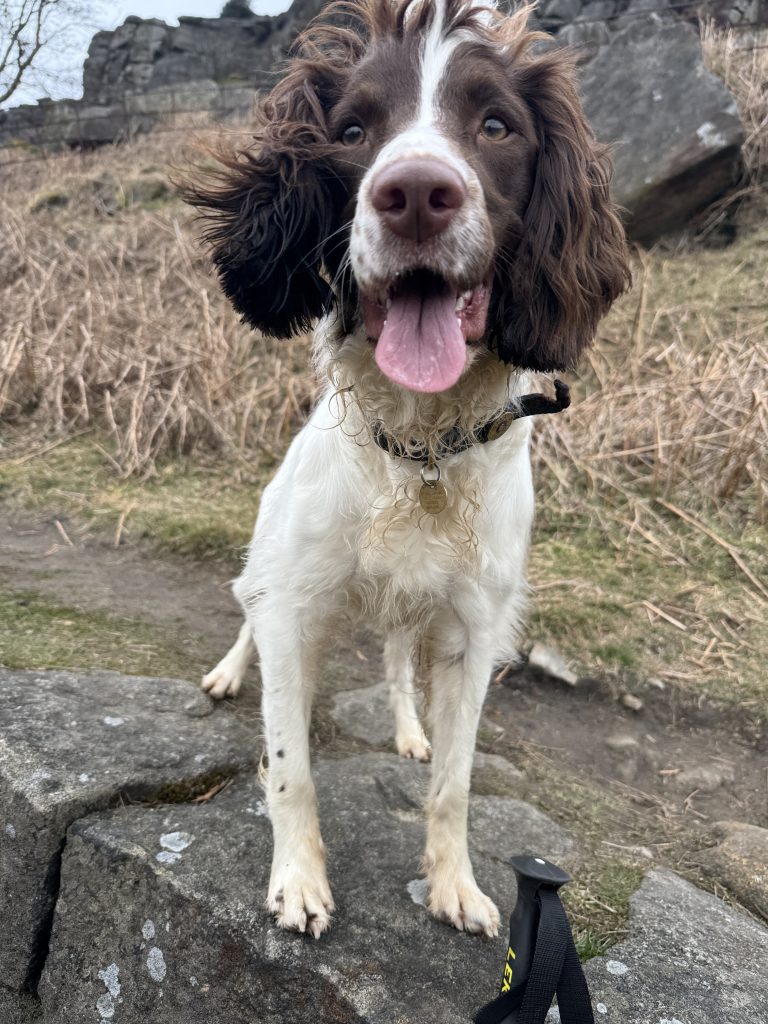
If you’ve ever heard someone say, “My puppy’s hit adolescence – it’s like living with a teenager!” you’re not alone. Many owners talk about this stage as though it’s an unavoidable part of raising a dog — full of frustration, selective hearing, and sudden “forgetfulness” of all that early training.
But here’s the truth: dog adolescence doesn’t have to be a nightmare. In fact, with the right balance of structure, stimulation and consistent training, it’s often not noticeable at all.
At Seadogs Training we’ve raised, trained and worked with countless dogs — and we’ve never had an adolescent meltdown. That’s not luck. It’s about understanding what young dogs truly need as they grow.
What Is Dog Adolescence?
Adolescence in dogs usually starts somewhere between six and eighteen months, depending on the breed. It’s the canine equivalent of the teenage years — hormones kick in, independence grows, and boundaries get tested.
Many owners notice:
- Ignoring known cues (“sit,” “come,” “stay”)
- Increased energy or restlessness
- Testing boundaries or pushing limits
- Overexcitement or frustration
However, these behaviours don’t appear out of nowhere. They’re the result of too much freedom too soon, inconsistent boundaries, and a lack of mental and physical stimulation.
Why We Don’t See “Adolescence” in Our Dogs
When a puppy grows up in a structured, enriching environment, the so-called adolescent phase simply blends into normal development.
Here’s why:
1. Boundaries Are Clear from Day One
Dogs thrive on clarity and consistency. They don’t cope well with “sometimes yes, sometimes no.” From the very start, we set clear, fair boundaries — in the house, in the field, and on the lead. That means the dog always understands what’s expected, even as their confidence grows.
2. Freedom Is Earned, Not Given
Too much freedom too soon is one of the biggest mistakes owners make. Puppies are often allowed to make poor choices — running off, jumping up, or ignoring recall — and then expected to behave later. We believe freedom is something dogs earn through reliability, not something given by default.
3. Proper Stimulation Prevents Frustration
A bored dog is a naughty dog. We meet our dogs’ needs through the right balance of mental stimulation, obedience work, and purposeful exercise. That might mean short, focused training sessions, scentwork, retrieving exercises, or problem-solving tasks — not endless off-lead zoomies that teach nothing.
4. Consistency Builds Confidence
When training, management and routine stay consistent, dogs grow up calm, reliable and confident. They don’t need to “test” because they already understand the rules of life — and that makes adolescence a non-event.
Adolescence Isn’t an Excuse
Many behavioural issues that get blamed on adolescence — pulling on the lead, jumping up, ignoring recall — are training problems, not hormonal ones.
Dogs do what works for them. If the environment rewards poor behaviour or allows bad habits to form, those habits stick.
Good training doesn’t suppress a dog’s natural energy or personality — it channels it in the right direction.
How to Prevent Problems Before They Start
If you’ve got a young dog approaching six months, now is the perfect time to make sure you’re on the right track.
✅ Keep boundaries consistent – the rules don’t change as your dog gets older.
✅ Use management – leads, long lines, and crates are tools for success, not punishment.
✅ Reward calm behaviour – don’t just focus on obedience cues.
✅ Avoid giving too much freedom – reliability must come first.
✅ Provide enrichment – mental exercise is just as vital as physical.
Final Thoughts
Adolescence in dogs doesn’t have to be a dreaded stage. With structure, consistency, and good training, it’s simply another part of your dog’s natural growth — one you might not even notice.
At Seadogs Training, we help owners build confident, well-mannered dogs through balanced, reward-based obedience and gundog training. Whether you’re just starting with your puppy or managing a teenage whirlwind, we can guide you through every stage.
👉 Get in touch today to find out how we can help you raise a dog that skips the “teenage rebellion” altogether.